
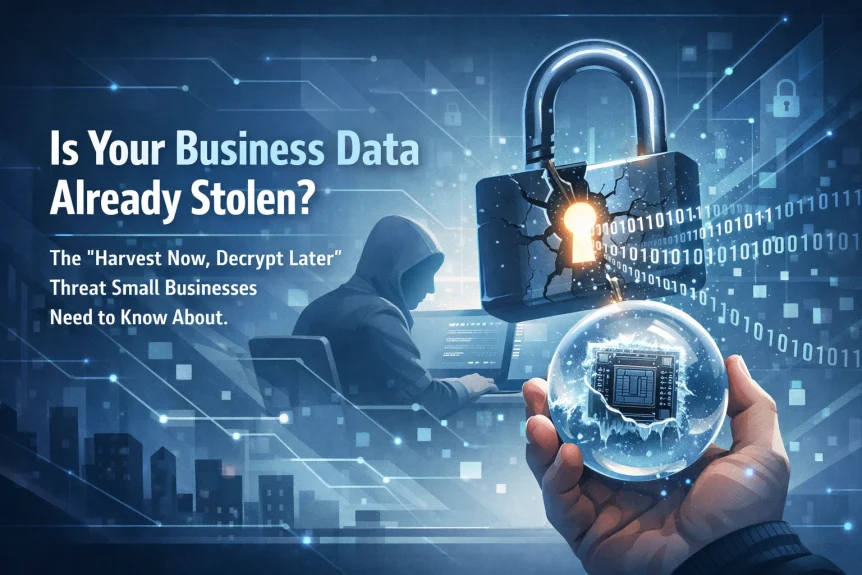
What's Happening Right Now
Your encrypted data is being collected.
Stored on servers you don't know about.
Waiting.
This is "Harvest Now, Decrypt Later" : HNDL for short.
Cybercriminals steal encrypted data today. They can't read it yet. But they will. Once quantum computers become powerful enough to break current encryption standards.
Timeline: 5 to 15 years.
The data harvesting is already underway.
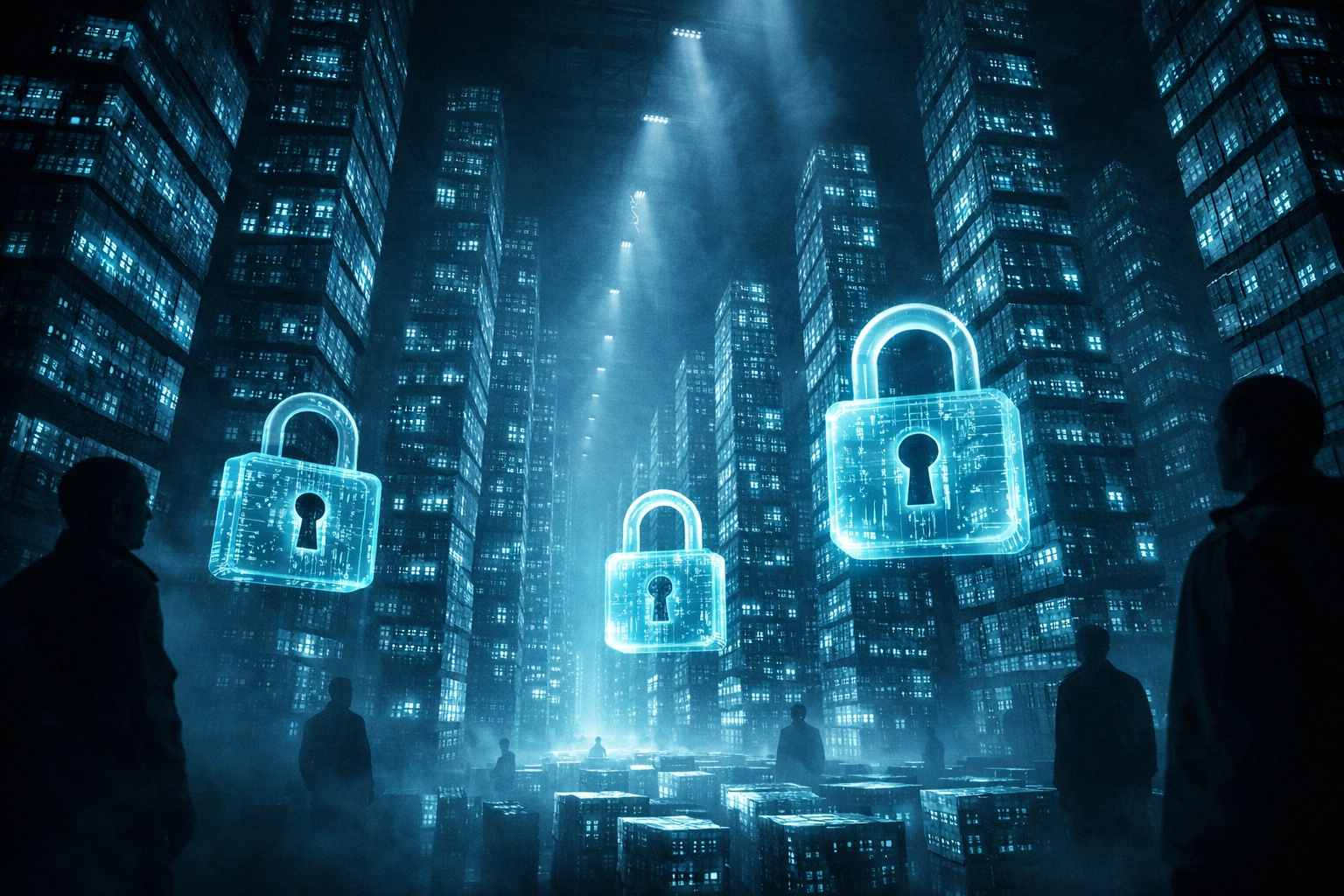
How HNDL Works
Step 1: Attackers intercept encrypted communications.
Network traffic. Cloud storage transfers. Email systems. Database backups.
Step 2: Store everything.
Storage is cheap. Patience is free.
Step 3: Wait for quantum computing to mature.
Step 4: Decrypt at will.
No need to break encryption today. Just collect now. Break later.
Why Small Businesses Are Prime Targets
You think you're too small to matter.
You're wrong.
Small businesses lack enterprise-level security resources. Smaller IT budgets. Fewer dedicated security personnel. Less sophisticated monitoring systems.
But you still hold valuable data:
- Customer personally identifiable information (PII)
- Employee records and social security numbers
- Proprietary business processes
- Financial records
- Vendor contracts
- Intellectual property
- Trade secrets
- Merger and acquisition documents
- Strategic planning materials
This is "evergreen" data : information that retains value over time.
A customer list from 2024 still matters in 2035.
Financial patterns don't expire.
Business strategies remain relevant for years.

What Makes Your Data Worth Stealing
Attackers prioritize specific targets within your organization:
Executive communications. CEO email. CFO financial discussions. Board meeting minutes.
Key employee data. Engineers. Developers. Sales leadership. Anyone with access to proprietary information.
Financial applications. Banking portals. Payment processing systems. Payroll platforms.
Regulated data. Healthcare records. Legal documents. Tax information.
The longer this data remains valuable, the more attractive it becomes for HNDL attacks.
The Current State of Collection
Data harvesting is active.
Not theoretical. Not future tense.
Happening now.
Every day your encryption remains unchanged increases attacker opportunity.
Every encrypted backup stored in the cloud is a potential target.
Every secure communication sent over your network could be intercepted and archived.
The clock started years ago.
Beyond HNDL: Other Quantum Threats
HNDL gets attention. But it's not the only concern.

Harvest Now, Decrypt Now (HNDN): Attackers exploit weak or outdated cryptography. No quantum computer needed. They break encryption today using current technology.
Check your systems. TLS 1.0 and 1.1 are obsolete. SHA-1 is compromised. Weak cipher suites remain in production environments.
Trust Now, Forge Later (TNFL): Quantum computers could forge digital signatures. Compromise authentication systems. Undermine document integrity. Break software signing verification.
This threatens:
- Code signing certificates
- Email authentication
- Document verification systems
- Identity management platforms
- Access control mechanisms
TNFL may pose a more immediate risk than HNDL for many organizations.
Cost and Complexity
HNDL attacks require resources.
Storage infrastructure for massive data collection. Network access for interception. Patience to wait years for quantum breakthroughs.
This makes HNDL most effective as targeted attacks against high-value intelligence.
Nation-state actors. Advanced persistent threat groups. Well-funded criminal organizations.
But don't dismiss the risk.
As storage costs decrease and quantum computing advances, HNDL becomes more accessible.
What's expensive today becomes commodity tomorrow.
Protection Strategies
Immediate actions:
Deploy hybrid quantum-resistant algorithms. ML-KEM768 for TLS 1.3 connections. Begin encrypting data transmissions with post-quantum cryptography alongside traditional methods.
Audit current encryption implementations. Identify weak protocols. Replace outdated cipher suites. Eliminate deprecated TLS versions.
Assess data retention policies. Question what needs long-term storage. Reduce exposure by minimizing data lifespan where appropriate.
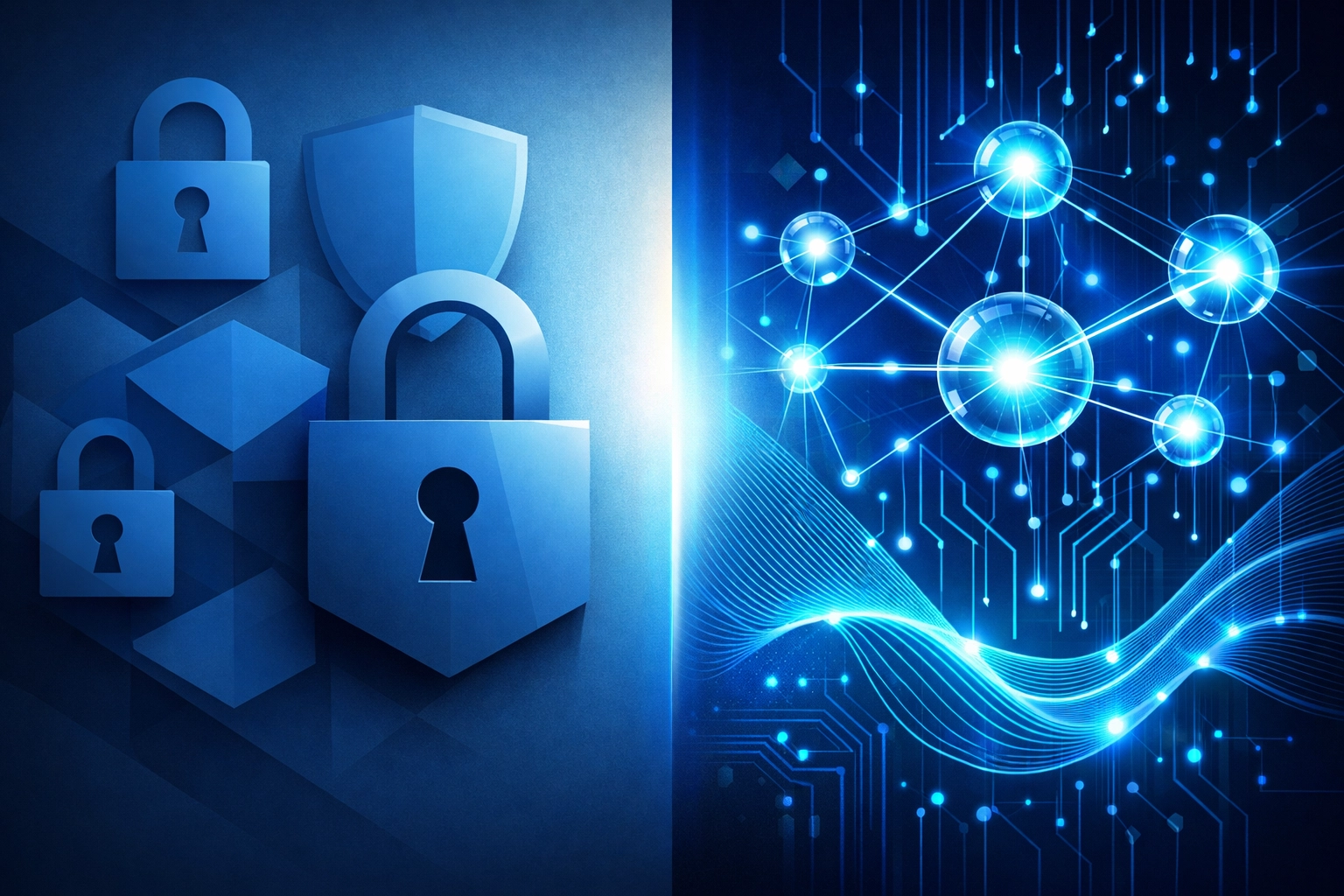
Long-term planning:
Transition to post-quantum cryptography. NIST has published standardized algorithms. Implementation timelines should begin now.
Prioritize based on data value. Not all information requires the same protection level. Focus resources on evergreen data with long-term sensitivity.
Evaluate your specific threat model:
- What data has lasting value?
- Where are cryptographic vulnerabilities?
- Which systems face highest exposure?
Don't chase theoretical threats while ignoring practical weaknesses.
Managed IT services role:
We monitor emerging quantum threats. Track NIST post-quantum cryptography standards. Evaluate algorithm implementations as they mature.
We assess your current encryption posture. Identify vulnerabilities. Recommend upgrade paths. Implement protective measures before quantum computers arrive.
We prioritize based on your business model. Your data. Your risk profile.
Not one-size-fits-all recommendations. Tailored protection strategies.
Timeline Considerations
Quantum computers capable of breaking RSA-2048 encryption: estimated 5 to 15 years.
But data stolen today remains vulnerable for decades.
Your 2026 encrypted backup could be decrypted in 2035.
A nine-year window where sensitive information sits exposed in attacker databases.
Consider data sensitivity timelines:
- Will this information matter in 10 years?
- Does this data have regulatory retention requirements?
- What's the business impact if this becomes public in 2035?
Match protection strategies to sensitivity windows.
What Small Businesses Should Do Now
Audit encryption practices. Document what you're protecting and how.
Identify evergreen data. Determine which information retains long-term value.
Upgrade weak cryptography. Replace deprecated protocols immediately.
Begin post-quantum planning. Don't wait for quantum computers to arrive.
Work with knowledgeable IT partners. This isn't DIY territory.
The threat is patient.
Your response shouldn't be.
Moving Forward
HNDL represents a different threat model. Delayed gratification for attackers. Long-term investment in stolen data.
But it's part of a larger quantum security challenge.
Encryption that protects you today won't protect you in 2035.
The question isn't whether to prepare.
It's whether you'll prepare before or after your data gets harvested.
We help businesses navigate post-quantum cryptography transitions. Assess vulnerabilities. Implement protective measures. Stay ahead of quantum computing timelines.
Ready to evaluate your quantum readiness?
Request a business solutions consultation to assess your current encryption posture and develop a post-quantum security roadmap.
The data being stolen today might be yours.
The time to act is now.