What Managed IT Services Actually Mean Outsourced IT support. That's it. Instead of hiring full-time staff, you partner with a managed service provider. They handle technology. You handle your business. Most small businesses with 10+ employees benefit from this arrangement. Especially those handling sensitive data or relying on cloud infrastructure. Core Components System Monitoring 24/7 surveillance of servers, workstations, firewalls, …
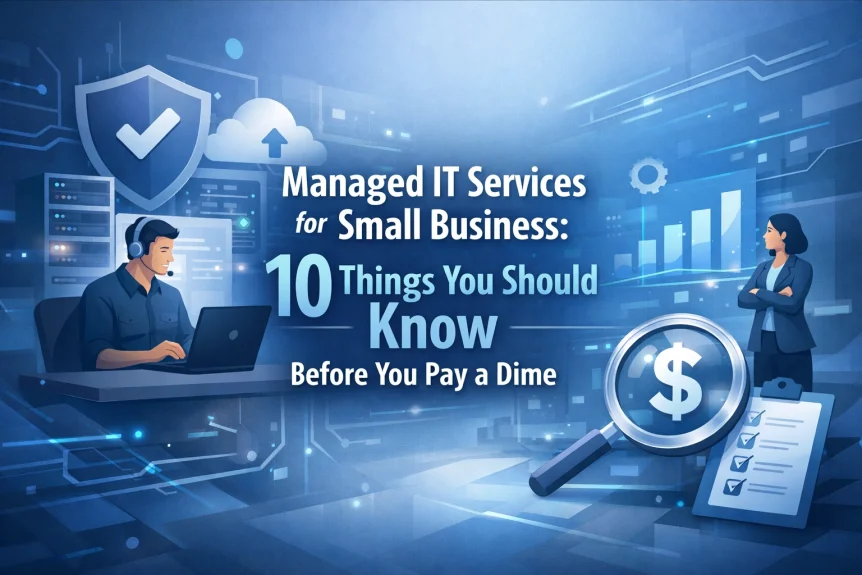
Managed IT Services for Small Business: 10 Things You Should Know Before You Pay a Dime
Managed IT services operate on subscription models. Fixed monthly costs replace unpredictable consultant bills and emergency repair charges. Most small businesses overpay for reactive IT support without realizing it. Here's what you need to know before signing a contract. 1. Pricing Works Differently Managed services use flat-rate monthly billing. No surprise invoices when hardware fails or systems go down. Budget …
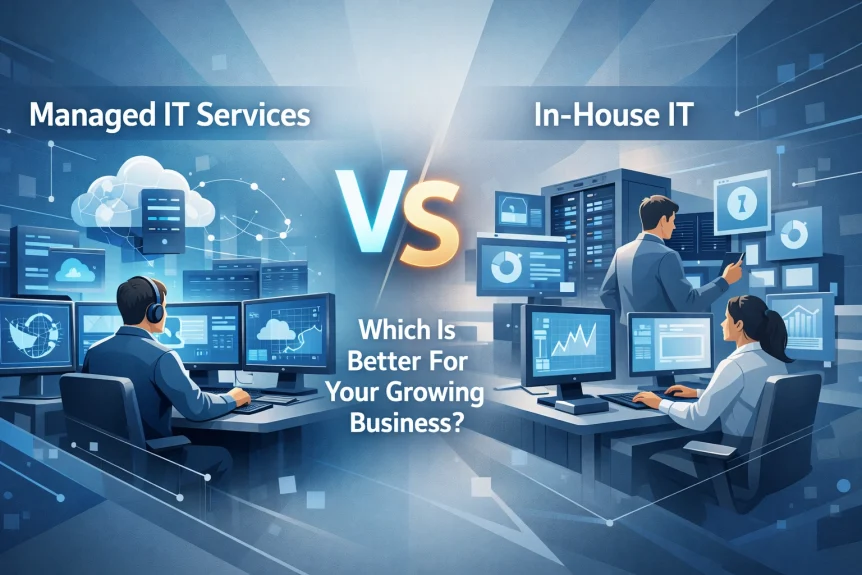
Managed IT Services vs In-House IT: Which Is Better For Your Growing Business?
Growing businesses face a decision point with IT support. Build an internal team or partner with a managed service provider. The choice impacts budget, scalability, and operational capacity. Cost Structure Comparison In-House IT Teams A 50-person company typically requires 1-2 IT managers. Annual cost: $125,000-$190,000 plus benefits. Additional expenses include: Hardware and software tools Training and certifications Recruitment costs for …
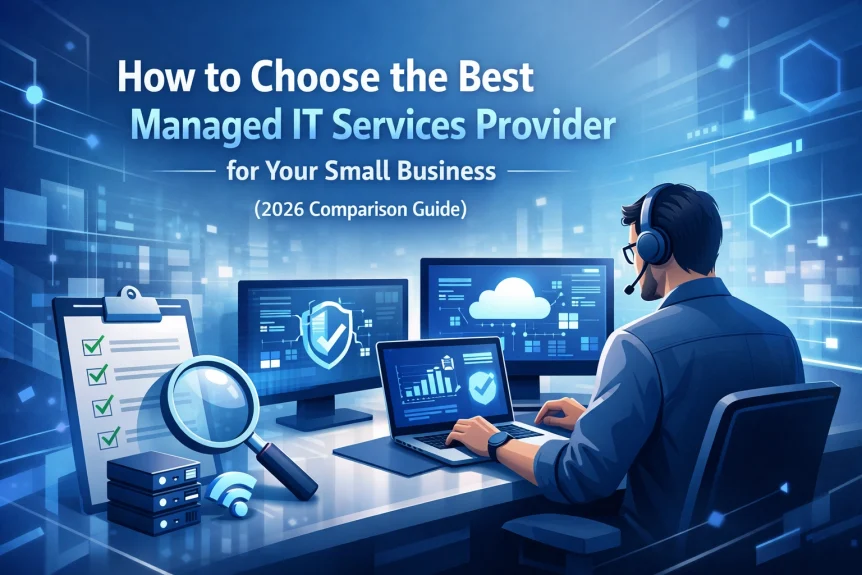
How to Choose the Best Managed IT Services Provider for Your Small Business (2026 Comparison Guide)
Selecting a managed IT services provider determines your operational efficiency for years. Wrong choice means downtime, security gaps, budget overruns. Right choice means reliable systems, predictable costs, business continuity. This guide outlines evaluation criteria based on 2026 market standards. Define Your Core Requirements First Start with your actual needs. Not what sounds impressive. What your business operations require. Security-focused businesses …
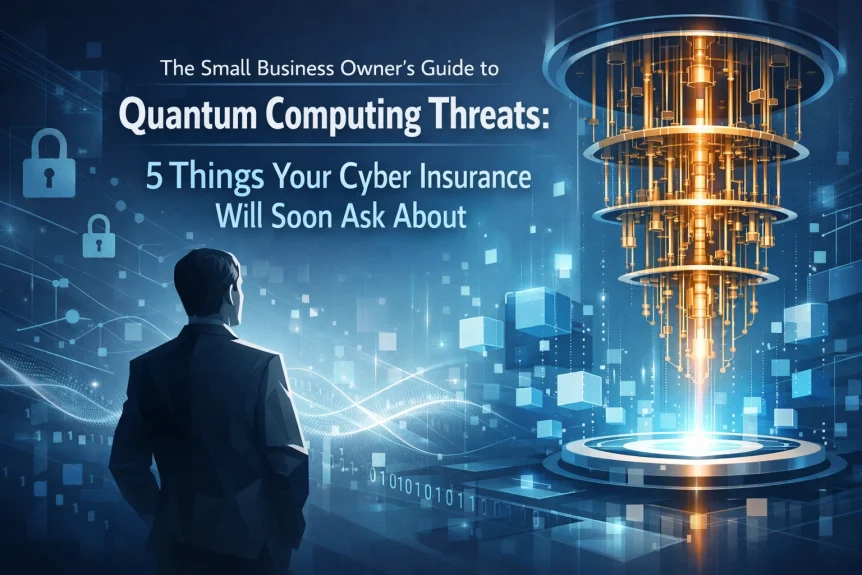
The Small Business Owner’s Guide to Quantum Computing Threats: 5 Things Your Cyber Insurance Will Soon Ask About
Cyber insurance applications are changing. Quantum computing threats are entering underwriting criteria. Policy renewals in 2026 and 2027 will include questions most small businesses cannot answer today. Premiums will reflect quantum preparedness: or lack thereof. Why Insurers Care About Quantum Threats Now Cryptographically relevant quantum computers do not exist yet. But the timeline has compressed. Industry estimates place viable quantum …
Does Your IT Support Provider Know About Post-Quantum Cryptography? Here’s Why It Matters in 2026
What Post-Quantum Cryptography Actually Is Post-Quantum Cryptography (PQC) refers to encryption methods designed to withstand attacks from quantum computers. Current encryption: RSA, Elliptic Curve Cryptography: protects most business data today. Quantum computers will break these methods. Not in fifty years. In ten to fifteen. PQC uses mathematical problems that remain difficult even for quantum systems to solve. The shift isn't …
Quantum-Safe Security: What Your Small Business Should Do This Quarter (Before It’s Too Late)
The timeline shortened. Quantum computers capable of breaking current encryption are no longer a distant threat. The window for preparation is 2025-2030. We're in it. Only 5% of enterprises deployed quantum-safe encryption. Most small businesses haven't started. Adversaries are already collecting encrypted data today to decrypt later when quantum computing catches up. Your encrypted customer data. Financial records. Proprietary information. …
7 Mistakes Small Businesses Make with Encryption (That Quantum Computers Will Exploit)
Quantum computing isn't science fiction anymore. It's a timeline problem. Most small businesses run encryption protocols designed for yesterday's threats. Quantum computers will break them. Not eventually: within the next three to five years for commercially viable systems. The bigger issue: attackers are already stealing encrypted data today. They're storing it. Waiting for quantum decryption to become feasible. This is …
Is Your Business Data Already Stolen? The “Harvest Now, Decrypt Later” Threat Small Businesses Need to Know About
What's Happening Right Now Your encrypted data is being collected. Stored on servers you don't know about. Waiting. This is "Harvest Now, Decrypt Later" : HNDL for short. Cybercriminals steal encrypted data today. They can't read it yet. But they will. Once quantum computers become powerful enough to break current encryption standards. Timeline: 5 to 15 years. The data harvesting …
Fault Tolerant Quantum Computing: The Next Three Years
Quantum computing is moving from research labs to commercial reality. Faster than most businesses realize. The next three years will determine which companies adapted early and which scrambled to catch up. Where We Are Right Now End of 2026 marks verification of quantum advantage. IBM, Algorithmiq, and the Flatiron Institute are leading community-led verification efforts. The results will be public. …