Audit
Current technology state is identified.
Infrastructure assessment is completed.
Hardware inventory is cataloged.
Workstations. Servers. Network switches. Routers.
Software versions are verified.
Cloud subscriptions are listed.
Legacy systems are flagged for compatibility.
Network diagrams are created.
Bandwidth usage is measured.
Current bottlenecks are documented.
Security gaps are noted.

Alignment
Business goals are defined.
Operational requirements are matched to IT capabilities.
Budget constraints are applied.
Scalability needs are projected.
Compliance requirements are identified.
HIPAA. PCI-DSS. SOC2.
Workflow dependencies are mapped.
Critical applications are prioritized.
RTO (Recovery Time Objective) is established.
RPO (Recovery Point Objective) is set.
Strategic roadmaps are drafted by X-Tek.
Security
Network security monitoring is deployed.
Firewall configurations are updated.
Endpoint detection and response (EDR) is installed.
Intrusion detection systems (IDS) are activated.
Vulnerability scans are performed.
Patch management schedules are automated.
Multi-factor authentication (MFA) is enforced across all accounts.
Zero-trust architecture is implemented.
Data encryption protocols are verified.
Phishing simulations are scheduled.
Incident response plans are finalized.
Real-time alerts are routed to X-Tek monitoring centers.
Cloud Migration
Cloud migration strategy is selected.
Lift and shift. Replatforming. Refactoring.
Data sets are cleaned before transfer.
Cloud environments are provisioned.
Azure. AWS. Private cloud options.
Security groups are configured.
Data migration is executed during off-peak hours.
Integrity checks are performed post-migration.
Legacy hardware is decommissioned or repurposed.
Hybrid cloud connectivity is established.
Cloud resources are optimized for cost and performance.

Communications
VOIP systems are integrated.
PSTN gateways are configured.
SIP trunking is established.
Quality of Service (QoS) is prioritized on the network.
Handsets are deployed.
Softphones are configured on mobile devices.
Auto-attendants are programmed.
Call routing rules are defined.
Voicemail-to-email is activated.
Unified communications (UC) platforms are synced.
Existing phone numbers are ported to the new provider.
Bandwidth is allocated specifically for voice traffic.
Integration
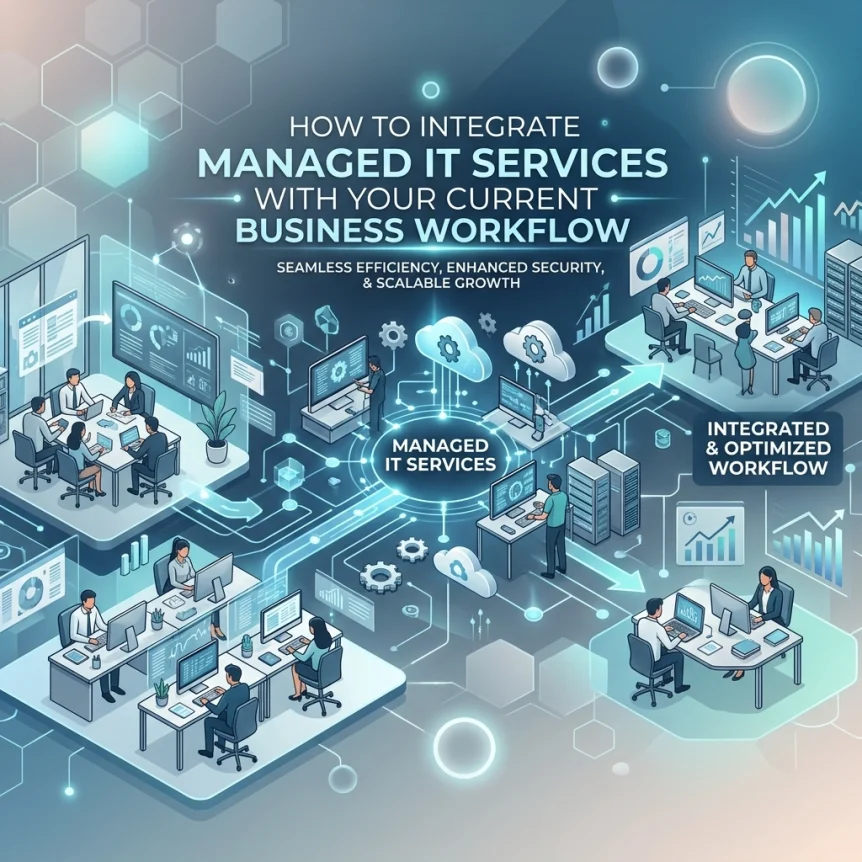
Managed IT services are merged with daily operations.
Communication channels are opened.
Standard Operating Procedures (SOPs) are updated.
Ticketing systems are synced.
Administrative access is granted to X-Tek.
Onboarding documentation is shared.
User accounts are provisioned.
Directory services (Active Directory) are synchronized.
Password policies are pushed to endpoints.
Remote monitoring and management (RMM) agents are deployed.

Execution
Implementation occurs in phases.
Low-impact systems are migrated first.
Pilot groups are tested.
Feedback is collected.
Adjustments are made to configurations.
Mission-critical systems are transitioned.
On-site support is coordinated if necessary.
Technical documentation is finalized.
Training materials are distributed to staff.
Go-live support is maintained by X-Tek.
Maintenance
Systems are monitored 24/7/365.
Performance logs are reviewed weekly.
Security updates are applied as released.
Backup success is verified daily.
Disaster recovery tests are performed quarterly.
Hardware health is tracked.
Thermal levels. Disk life. Power consumption.
Software license renewals are tracked.
Obsolescence reporting is provided.
IT strategy is adjusted based on business growth.
Have Questions?
https://xtekit.com/business-solutions-information-request/
Operations
X-Tek manages the environment.
Help desk support is available.
Technical issues are triaged by severity.
Root cause analysis is performed on recurring errors.
Infrastructure is scaled up or down based on demand.
Reporting dashboards are provided to management.
Uptime metrics are tracked.
Service Level Agreements (SLAs) are monitored.
Vendor management is handled by X-Tek.
Hardware procurement is streamlined.

Infrastructure
Server virtualization is optimized.
Storage area networks (SAN) are managed.
Network redundancy is established.
Failover circuits are tested.
UPS systems are monitored.
Server room environmental controls are checked.
Cabling is organized and labeled.
Wireless access points are positioned for maximum coverage.
Guest networks are isolated from production data.
VLANs are configured for traffic segmentation.
Monitoring
Log files are aggregated.
SIEM (Security Information and Event Management) tools are utilized.
Traffic patterns are analyzed for anomalies.
CPU and RAM utilization alerts are set.
Storage capacity warnings are triggered at 80%.
API integrations are verified.
Database health is checked.
Web application firewalls (WAF) are tuned.
SSL certificates are tracked for expiration.
Domain Name System (DNS) records are secured.
Support
Issues are reported via designated portals.
X-Tek technicians respond to alerts.
Remote assistance is initiated.
On-site dispatch is triggered for hardware failure.
Proactive maintenance prevents downtime.
System configurations are backed up.
User permissions are audited.
Group policies are refined.
Software deployments are pushed silently to avoid disruption.

Business Hours:
M-F 9AM-5pm Central Time
Coordination
Monthly strategy meetings are held.
Quarterly business reviews (QBR) are conducted.
New technology trends are evaluated.
IT budgets are forecasted for the next fiscal year.
Compliance audits are supported.
Insurance requirements for cybersecurity are met.
Business continuity plans are updated.
Employee offboarding/onboarding is standardized.
Conclusion of implementation results in a stabilized environment.
Operations are predictable.
Security is hardened.
Scalability is built-in.
Efficiency is increased through automation.
Technology becomes an asset rather than a distraction.
Contact Information
Business Solutions Information Request:
https://xtekit.com/business-solutions-information-request/
Phone: 815-516-8075
Business Hours: Monday – Friday, 9:00 AM – 5:00 PM Central