
The timeline shortened.
Quantum computers capable of breaking current encryption are no longer a distant threat. The window for preparation is 2025-2030. We're in it.
Only 5% of enterprises deployed quantum-safe encryption. Most small businesses haven't started. Adversaries are already collecting encrypted data today to decrypt later when quantum computing catches up.
Your encrypted customer data. Financial records. Proprietary information. All vulnerable.
This quarter determines whether your business gets ahead of the threat or scrambles to react when it's too late.
What Quantum-Safe Security Actually Means
Current encryption relies on mathematical problems that take classical computers centuries to solve.
Quantum computers solve these problems in hours.
RSA encryption. Elliptic curve cryptography. The security standards protecting your business data right now. All breakable by sufficiently powerful quantum computers.

Post-quantum cryptography uses different mathematical foundations. Algorithms designed to resist both classical and quantum attacks.
NIST finalized the first post-quantum cryptography standards in August 2024. These aren't experimental anymore. They're ready for implementation.
The gap between "ready" and "deployed" is where businesses get compromised.
Your Q1 2026 Action Plan
Week 1-6: Complete Cryptographic Inventory
Most organizations underestimate how many systems use encryption.
Document everything:
Where encryption lives in your infrastructure:
- Customer databases
- Payment processing systems
- Email servers
- Cloud applications and storage
- VPN connections
- API integrations
- Employee devices
- IoT sensors and connected equipment
- Backup systems
Which algorithms are deployed:
- RSA key sizes and locations
- Elliptic curve implementations
- Where public-key cryptography is used
Data sensitivity and lifespan:
- Customer personally identifiable information
- Financial records and transaction history
- Trade secrets and intellectual property
- Employee data
- Contractual agreements
- Anything requiring confidentiality beyond 5 years
Data with long confidentiality requirements faces highest quantum risk. A contract signed today might need protection through 2040. Current encryption won't provide that protection once quantum computers mature.
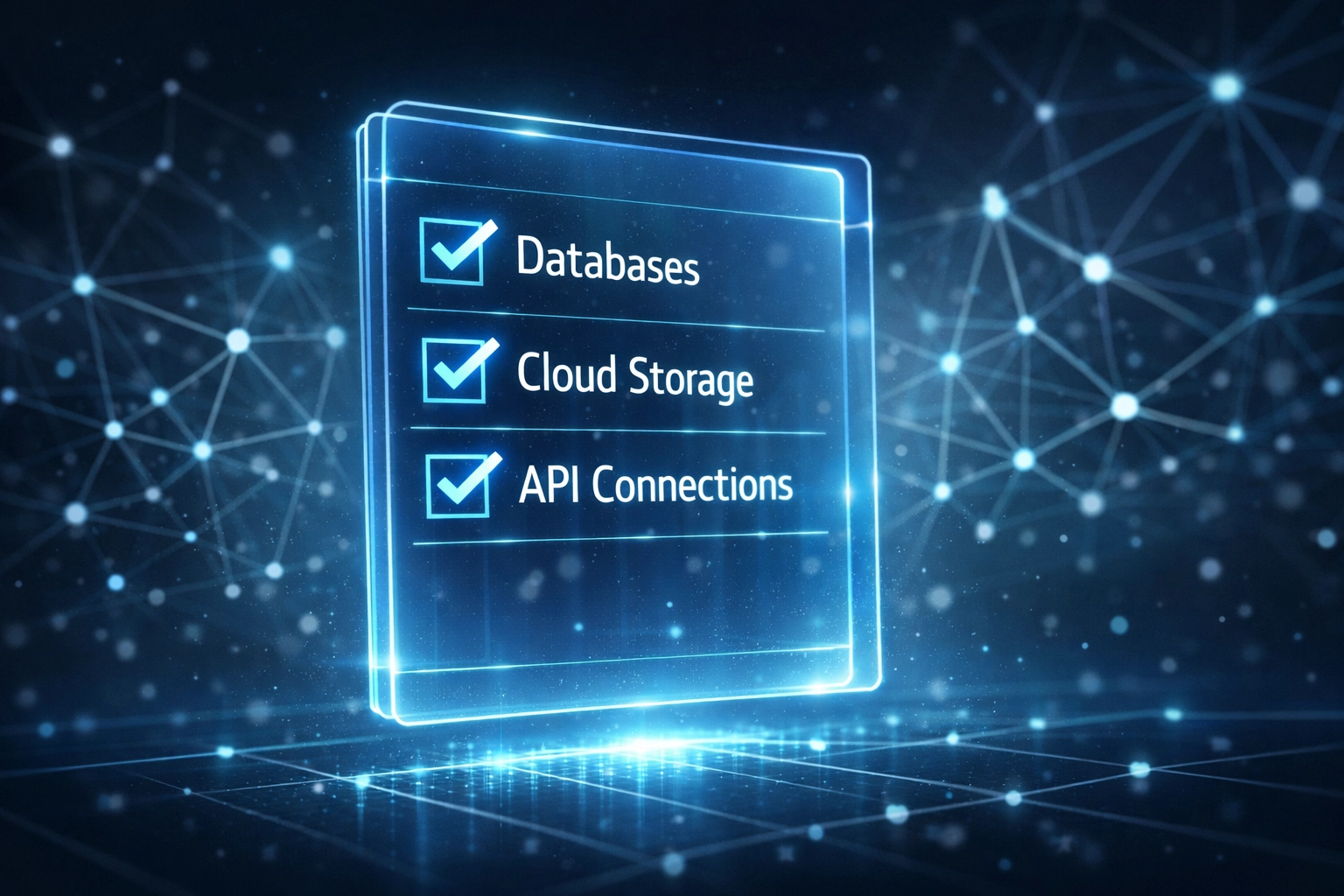
Identify crown jewels. The data that would destroy your business if exposed. Customer trust. Competitive advantage. Regulatory compliance. Focus quantum-safe efforts here first.
Week 7-10: Pilot Post-Quantum Algorithms
Testing must happen before production deployment.
Select one or two non-critical systems. Internal file shares. Development environments. Anywhere failure won't impact customers or operations.
Implement NIST-approved algorithms:
- CRYSTALS-Kyber for key encapsulation
- CRYSTALS-Dilithium for digital signatures
- SPHINCS+ as signature backup
Measure performance. Post-quantum algorithms use larger key sizes. Network bandwidth and processing overhead increase. Quantify the impact before rolling out to production systems.
Document compatibility issues. Legacy systems may not support new algorithms. Third-party integrations might break. Better to discover problems in testing than during emergency migration.

Week 11-13: Vendor Security Assessment
Your encryption is only as strong as your vendors' encryption.
Quantum vulnerability anywhere in your supply chain affects you. Cloud providers. Payment processors. Authentication services. Managed IT partners.
Add these questions to vendor assessments:
Current state:
- What encryption algorithms protect our data in your systems?
- Where is our data encrypted (transit, rest, backup)?
- Do you have a cryptographic inventory of systems handling our information?
Quantum readiness:
- What is your timeline for post-quantum cryptography deployment?
- Which systems will migrate first?
- Will migration require downtime or changes to our integration?
- Are quantum-safe algorithms available as an option today?
Ongoing commitment:
- How will you communicate updates to your quantum-safe roadmap?
- What support will you provide during our transition?
- Will quantum-safe security cost more?
Critical vendors need answers now. Others can wait, but document who you've asked and when you need responses.
Why This Quarter Matters
Harvest now, decrypt later attacks are active today.
Adversaries collect encrypted data. Store it. Wait for quantum computers powerful enough to break the encryption. Then decrypt everything at once.
Your encrypted emails from 2026 become readable in 2030.
Customer data you protected today becomes exposed tomorrow.
The Cybersecurity and Infrastructure Security Agency recommends immediate transition to quantum-resistant algorithms. Federal contractors will see quantum-safe requirements in CMMC compliance. Healthcare organizations in HIPAA. Payment processors in PCI DSS.

Compliance frameworks are updating. Early adopters gain competitive advantage. Late adopters face audit findings and remediation costs.
Small businesses face specific risk. Adversaries don't filter targets by company size. Stolen data has value regardless of business revenue.
But small businesses have an advantage. Faster decision-making. Fewer legacy systems. Less bureaucracy. You can move faster than enterprises stuck in multi-year approval cycles.
Budget and Resources for Q1
Training comes first.
Your IT team needs hands-on experience with post-quantum cryptography. Online courses. Vendor webinars. NIST documentation.
Budget 20-40 hours per technical staff member this quarter.
If internal quantum expertise isn't realistic, engage managed security service providers. Established MSSPs invest in quantum-safe solutions early. They provide ongoing threat intelligence as the landscape evolves.
We help clients navigate post-quantum transitions. Inventory. Testing. Vendor coordination. Implementation planning. Learn more about business IT solutions.
Cost considerations:
- New certificates and key management infrastructure
- Upgraded hardware for algorithm performance requirements
- Software updates or replacements for incompatible systems
- Vendor services for quantum-safe implementations
- Training and external consulting
Most small businesses should budget $5,000-$25,000 for initial assessment and pilot projects. Full migration costs scale with infrastructure complexity.
Beyond Q1 2026
By end of March, you should have:
- Complete cryptographic inventory
- Pilot project results and lessons learned
- Vendor roadmap responses
- Preliminary migration timeline
Next quarter focuses on phased implementation. Start with low-risk environments. Migrate high-value data systems next. Legacy systems last.
Integrate quantum-safe security into disaster recovery plans. Business continuity documentation. Incident response procedures.
Update vendor contracts. Require quantum-safe practices for partners handling sensitive data. Include migration timelines in service level agreements.
Review and update quarterly. Quantum computing capabilities advance rapidly. Migration plans need regular adjustment.
Start This Week
The cryptographic inventory is the foundation. Everything else depends on knowing what you're protecting and where it lives.
Block time this week. Assign responsibility. Set a six-week deadline.
Quantum-safe security isn't a one-time project. It's an ongoing operational requirement. Starting this quarter positions your business ahead of the threat curve instead of behind it.
The data you protect today determines the security you have tomorrow.