
Current Encryption Standards Face Obsolescence
RSA, ECC, and TLS-based encryption will fail once quantum computers reach operational maturity.
Quantum machines using Shor's algorithm solve large number factorization efficiently.
Traditional cryptographic defenses cannot withstand this computational power.
Timeline estimates vary. Most analyses place quantum threat realization within 5-15 years.
Backup systems remain particularly vulnerable.
Data stored today will persist for years. Encryption applied now must protect information through the quantum transition.

The Harvest Now, Decrypt Later Threat
Adversaries are collecting encrypted data today for future decryption.
This is not theoretical. State-sponsored actors and organized cybercrime groups actively execute these operations.
Process is straightforward:
- Intercept encrypted backups during transmission or storage
- Archive encrypted data in long-term repositories
- Wait for quantum computing capabilities to mature
- Decrypt archived data once quantum systems become available
Your backup data encrypted with current standards has no long-term confidentiality guarantee.
Sensitive business information, customer records, financial data, intellectual property: all vulnerable once archived by threat actors.
The attack happens in two phases separated by years. Detection of the initial harvest provides no protection against eventual decryption.
Regulatory Mandates Drive Implementation
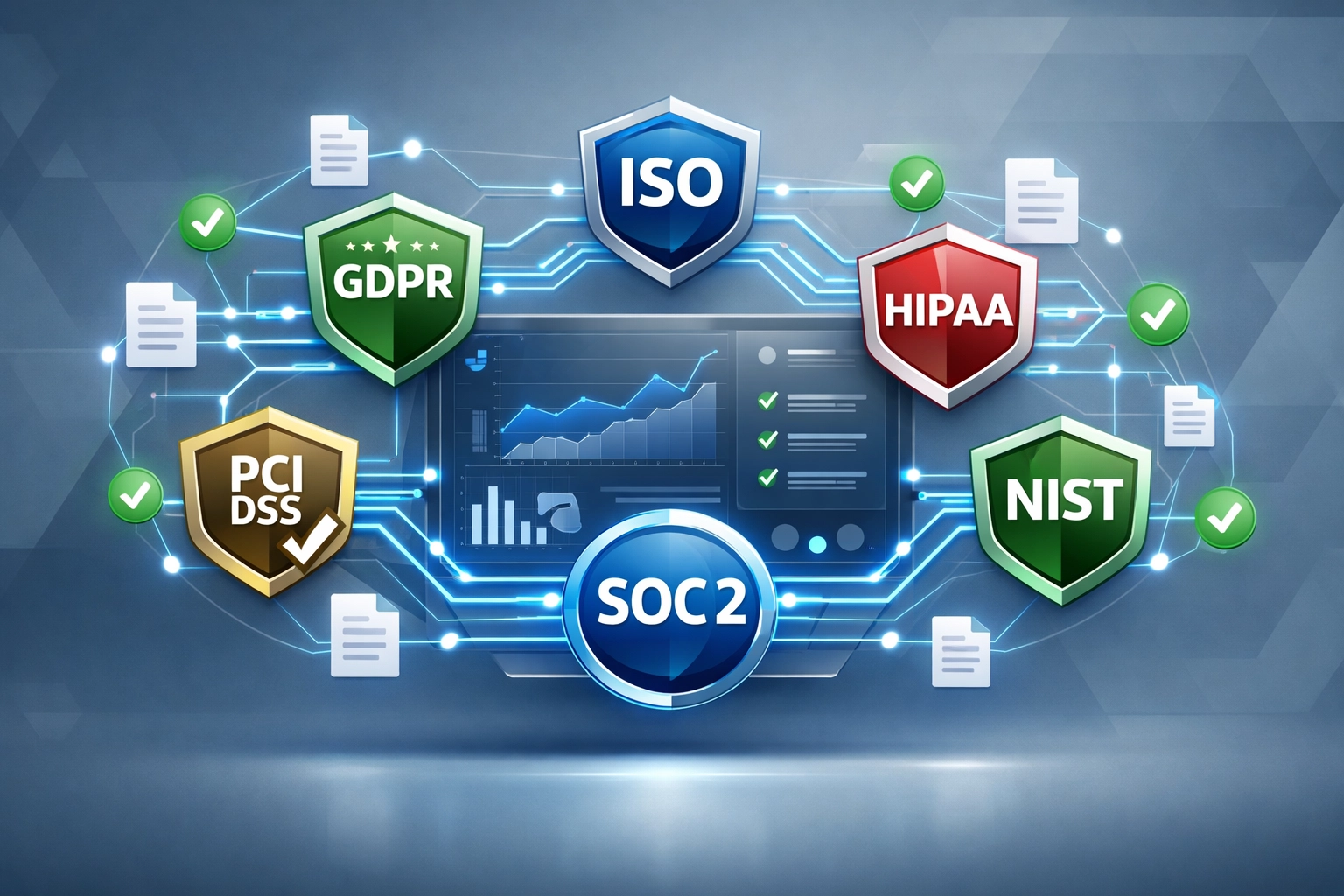
Multiple frameworks now address quantum risk explicitly.
DORA (Digital Operational Resilience Act)
Regulates ICT risk management in financial institutions.
Requires demonstration of forward-looking cryptographic controls.
Audit requirements include quantum readiness assessments.
NIS2 Directive
Mandates risk-based encryption for critical infrastructure operators.
Encompasses backup and disaster recovery systems.
Non-compliance carries significant financial penalties.
CJIS Requirements
Enforces full encryption key ownership for criminal justice data.
Requires documentation of key management procedures.
Quantum-safe capabilities becoming standard expectation in audits.
Organizations must now provide audit-ready controls demonstrating protection for critical data flows.
Quantum-safe backups transition from optional enhancement to compliance requirement.

Quantifiable Cost Benefits
Implementation delivers measurable returns beyond threat mitigation.
Capital Expenditure Reduction
Advanced deduplication in quantum-safe solutions reduces storage requirements.
One manufacturing implementation: 400 TB requirement reduced to 100 TB usable capacity.
CapEx reduced by more than 50%.
Storage consolidation offsets encryption processing overhead.
Ransomware Resilience
Immutable, air-gapped backups with quantum-safe encryption provide multiple protection layers.
Isolation in non-network-addressable locations prevents unauthorized access.
Quantum-safe key management prevents future decryption even if backup media is physically stolen.
Recovery time objectives improve when backup integrity is cryptographically guaranteed.
Operational Efficiency
Modern quantum-safe architectures deploy as bump-in-the-wire solutions.
Installation requires minimal infrastructure changes.
Time to value measured in days, not months.
Solutions remain undetectable to cyberattackers monitoring network traffic.
Automated key rotation reduces administrative overhead compared to manual cryptographic management.
Implementation Architecture
Effective quantum-safe backup systems combine multiple components.
Post-Quantum Cryptography
NIST-approved algorithms replace vulnerable standards.
AES-256-GCM provides symmetric encryption resilient to quantum attacks.
Lattice-based and hash-based algorithms protect key exchange mechanisms.
Hybrid Key Rotation
Automated rotation occurs every 30-90 days.
Combines classical and post-quantum algorithms during transition period.
Provides protection if either algorithm family proves vulnerable.
Rapid key recovery via quantum-safe mechanisms ensures business continuity.
Customer-Managed Keys
Organizational control over encryption keys prevents third-party access.
Keys never traverse public networks in unencrypted form.
Hardware security modules store key material with quantum-safe protections.
Split-knowledge key generation ensures no single party possesses complete keys.
Risk Quantification Framework
Many organizations struggle to justify investment without concrete risk assessment.
When risk remains unquantified, business case appears weak to decision-makers.
Effective framework includes:
Data Classification
Identify information requiring protection beyond current cryptographic lifespans.
Customer personally identifiable information, trade secrets, financial records, strategic plans, merger and acquisition documentation: typical candidates.
Assign monetary values to data categories based on breach impact studies.
Threat Timeline
Map expected quantum computer maturity against data retention requirements.
Most backup policies retain data 7-10 years.
If quantum threat materializes within this window, current encryption provides insufficient protection.
Regulatory Penalty Exposure
Calculate potential fines under applicable frameworks.
GDPR penalties reach €20 million or 4% of global annual revenue.
NIS2 fines approach €10 million or 2% of global annual turnover.
Multiply maximum penalties by likelihood of quantum-enabled breach during retention period.
Competitive Advantage
Early adopters demonstrate security leadership to enterprise customers.
Quantum-safe capabilities differentiate proposals in competitive bidding.
Compliance certifications open previously inaccessible market segments.
Market Timing Considerations
Quantum-safe security enters near-term deployment phase.
Agile organizations establish positions as early leaders.
Late adopters face three disadvantages:
Implementation timelines extend due to market saturation and resource constraints.
Retrofit costs exceed greenfield deployment expenses.
Regulatory scrutiny intensifies for organizations demonstrating awareness but failing to act.
Current window provides optimal cost-benefit ratio for implementation.
Getting Started
We assess existing backup infrastructure for quantum vulnerability.
Analysis includes:
- Current encryption algorithms and key lengths
- Data retention policies and regulatory requirements
- Backup transmission and storage architectures
- Key management procedures and access controls
Implementation proceeds in phases to minimize operational disruption.
Critical systems transition first. Lower-priority data follows in scheduled intervals.
Testing and validation occur throughout deployment to ensure backup integrity.

The Decryption Wave Is Predictable
Unlike many cybersecurity threats, quantum computing advancement follows measurable trajectories.
Research publications, patent filings, and government investments provide visibility into development timelines.
The threat is not speculative. It is inevitable.
Question is not whether quantum computers will break current encryption.
Question is whether your backup data will be protected when that capability arrives.
Organizations implementing quantum-safe backups now ensure data remains confidential regardless of future cryptographic developments.
Those delaying face eventual choice between costly emergency retrofits or accepting permanent data exposure.
The business case reduces to simple calculation: cost of implementation versus cost of total backup compromise.
For most organizations, the math strongly favors immediate action.
Ready to assess your backup quantum readiness? Contact our team for a vulnerability assessment and implementation roadmap.