Ransomware in 2026: Why SMBs Are in the Crosshairs

Category: blog The Target Profile Small and medium-sized businesses remain high-volume ransomware targets. Reasons include: Valuable customer and financial data Limited internal security staff Remote access requirements Cloud service dependencies Unpatched systems Reused credentials Flat network configurations Incomplete backup testing Attackers do not need a large enterprise target. They need an accessible environment with enough data to disrupt operations or …
How to Choose a Managed IT Provider: What SMBs Should Look For

Category: blog Choosing a managed IT provider affects: System availability Cybersecurity Backup recovery IT spending Employee productivity Business continuity The right provider should manage daily operations and support long-term business requirements. The wrong provider can create: Unclear costs Slow support Security gaps Failed backups Contract disputes Unplanned downtime Use the following criteria before selecting an MSP. Selection Criteria 1. Match …

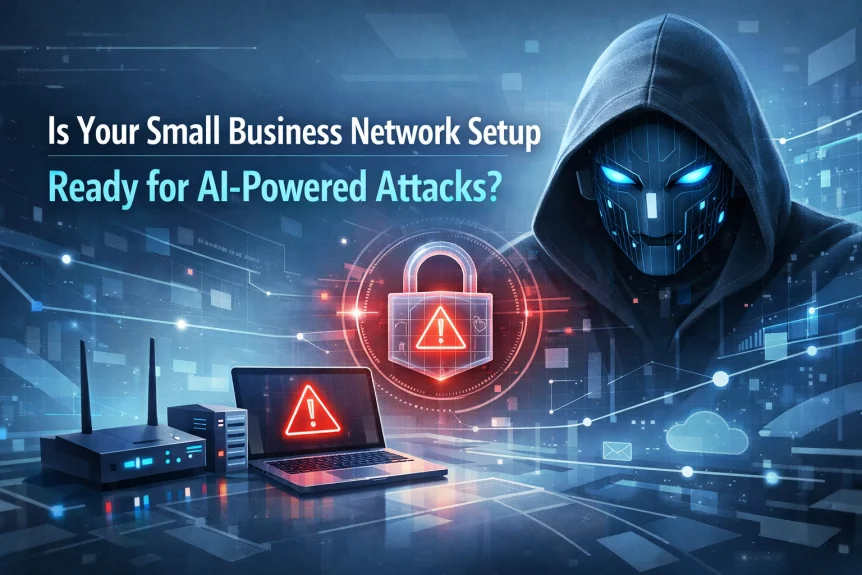
Why Small Businesses Are Prime Targets for AI-Powered Attacks

Category: blog Small businesses are targeted because they combine: Valuable data Connected systems Limited security staffing Inconsistent monitoring Fast payment pressure Fewer response resources Business size does not reduce exposure. In many cases, it increases risk. Why attackers target small businesses Small businesses store and process information that can be monetized. Examples: Customer records Payment information Employee data Banking credentials …

AI Assistants at Work: Security Policies Every Business Needs

Category: blog AI assistants are being added to email, documents, customer service, software development, meetings, finance, and internal search. They can also access company files, cloud platforms, business applications, and APIs. That access requires policy controls before deployment. A useful starting point is the NIST AI Risk Management Framework and its Generative AI Profile. Policy Every AI assistant policy should …

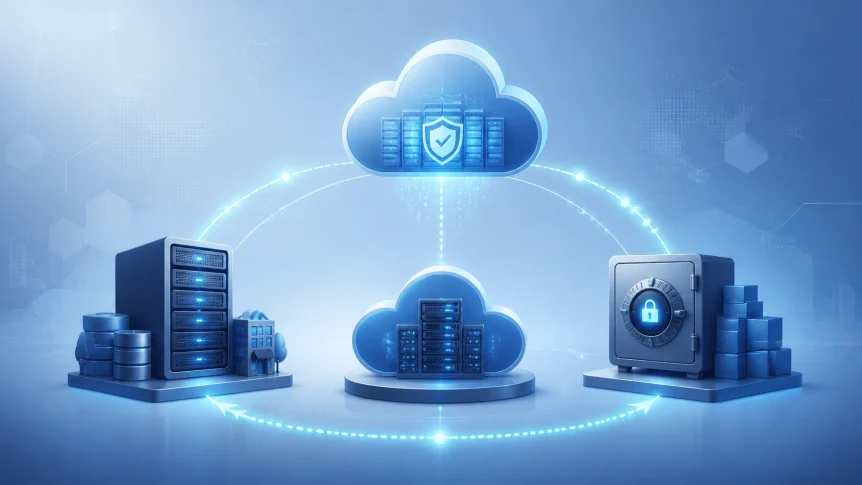
Backup Best Practices for Small Business in the Cloud Era

Category: blog Backup Cloud platforms provide availability. They do not replace an independent backup strategy. Deleted files, compromised accounts, ransomware, misconfigured retention, and service outages can still affect business data. A cloud-era backup plan requires: Multiple copies Separate storage locations Immutable recovery points Access controls Continuous monitoring Tested restores The 3-2-1 backup rule remains a practical baseline for small businesses. …

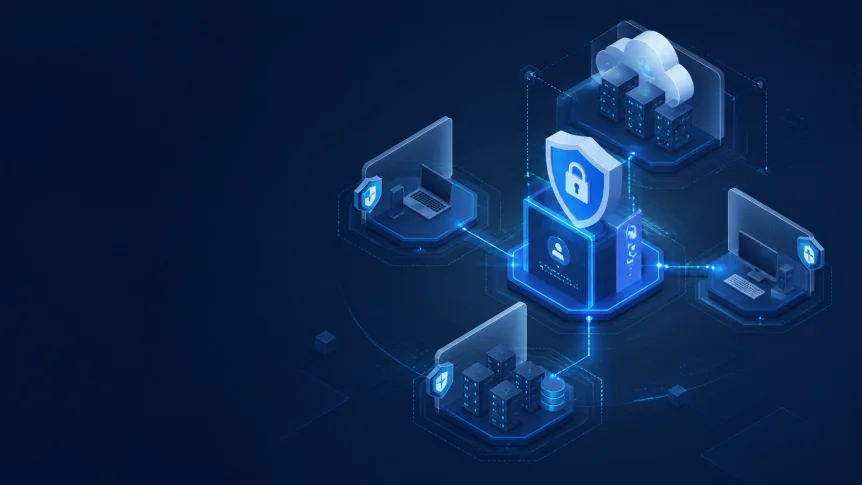
Zero Trust Security for Small Businesses: A Practical Guide

Category: blog Zero Trust Traditional network security assumes that users inside the business network can be trusted. That model no longer fits most businesses. Employees work remotely. Business data is stored in cloud applications. Personal devices access company systems. Vendors require remote access. Phishing attacks target valid user credentials. Zero Trust uses a different security model Verify every access request …

AI-Powered Backup Verification: Are Your Restores Actually Working?

Category: blog Verification A completed backup is not proof of recovery. It only confirms that a backup job ran. The backup may still contain: Corrupted files Missing application data Incomplete databases Unreadable metadata Outdated recovery points Configuration errors Ransomware-encrypted files Recovery is proven only when a restore is performed and validated. For small businesses, this distinction is operationally important. A …

Is Your Business Ready for AI? An SMB Readiness Checklist

Category: blog AI adoption should begin with an assessment Not a software purchase Not a company-wide rollout Not unrestricted access to public tools AI readiness depends on the condition of your data, infrastructure, security controls, policies, and support model Use this checklist before adopting AI tools or adding AI features to existing business systems 1. Define the business use case …

Why “Set It and Forget It” IT Fails: The Case for Managed Monitoring

Category: blog Monitoring Technology does not remain stable without maintenance. Operating systems change. Applications change. Threats change. Hardware fails. Cloud services experience interruptions. Network performance degrades. A system that works today may be exposed, outdated, or failing tomorrow. Manual IT maintenance depends on someone noticing the issue, having time to investigate it, and knowing how to resolve it. For many …

Generative AI in Cybersecurity: Friend or Foe for Your Business?

Category: blog Generative AI is now used on both sides of cybersecurity. Attackers use it to create convincing phishing campaigns, automate reconnaissance, modify malware, and impersonate employees or executives. Defenders use it to analyze activity, identify anomalies, prioritize alerts, and accelerate response. For small businesses, the issue is not whether AI will affect cybersecurity. It already does. The attacker advantage …